
A breaker that trips once after a storm or a temporary power surge is not always a major concern. A breaker that keeps tripping when you run ordinary equipment is different. The top signs of overloaded circuits often begin as small inconveniences, then point to a system carrying more electrical demand than it was designed to handle. For Southern California homeowners, landlords, and business owners, recognizing those warnings early can help protect people, property, and valuable equipment.
An overloaded circuit is not simply an annoyance. It is the electrical system telling you that too much power is being drawn through one path. The breaker is designed to interrupt that flow before wiring overheats. Repeated trips, heat, unusual sounds, or burning smells deserve prompt attention from a licensed electrician.
What an overloaded circuit means
Every circuit has a safe capacity based on its wiring, breaker size, and intended use. When the combined demand from lighting, electronics, appliances, HVAC equipment, tools, or charging equipment exceeds that capacity, the breaker trips to prevent excessive heat.
This can happen in an older home with limited circuits, but age is not the only factor. A renovated kitchen, a newly finished ADU, a home theater, added office equipment, or an EV charger can change how a property uses electricity. Commercial spaces face similar issues when equipment, lighting, or tenant needs expand without a matching electrical upgrade.
The solution depends on the cause. Sometimes the load needs to be redistributed across properly designed circuits. In other cases, the property needs new dedicated circuits, a subpanel, or a full electrical panel upgrade. What should never happen is replacing a breaker with a larger one without confirming that the wiring and panel are designed for it.
Top signs of overloaded circuits to watch for
Breakers trip repeatedly
A tripped breaker is one of the clearest warning signs, especially when it happens during normal use. If the same breaker trips whenever several devices run at once, the circuit may be overloaded. For example, a circuit may struggle when it serves high-demand equipment along with everyday electronics and lighting.
A single trip can also result from a faulty appliance or a short circuit, so repeated trips are the key detail. Avoid repeatedly resetting the breaker and hoping the issue disappears. Each trip is a safety response, not a problem to work around.
Lights dim, flicker, or change brightness
Lights that briefly dim when major equipment starts may indicate a heavy electrical load. If flickering or dimming happens frequently, affects multiple rooms, or occurs without an obvious reason, it deserves a professional inspection.
Not every flicker means an overloaded circuit. Loose wiring connections, panel issues, utility-side problems, and aging fixtures can create similar symptoms. The practical takeaway is simple: recurring changes in lighting are worth investigating before they become a larger reliability or safety issue.
The electrical panel feels warm or makes noise
Your electrical panel should not feel hot. Mild warmth can occur under normal use, but a noticeably warm panel door, hot breakers, crackling, buzzing, or humming should be treated seriously. Those conditions can signal excessive load, a loose connection, or equipment that needs immediate attention.
Do not remove the panel cover or attempt to tighten anything inside. Panel work requires training, proper tools, and a clear understanding of the system’s capacity. If you notice heat or unusual sounds, stop using high-demand equipment if it is safe to do so and call a qualified electrical contractor promptly.
You smell burning or see discoloration
A burning odor near the electrical panel, switches, wiring, or equipment is an urgent warning. So is discoloration, scorching, melted plastic, smoke, or visible sparking. These signs may indicate overheating or arcing, and they should never be ignored.
If there is smoke, fire, or immediate danger, leave the area and call 911. Do not attempt a repair. If there is no active emergency but you notice a persistent electrical burning smell, turn off power only if you can do so safely without approaching damaged equipment, then arrange an urgent inspection.
Equipment runs poorly or loses power
Overloaded circuits can cause electronics and appliances to behave unpredictably. You may notice equipment shutting off, chargers failing, screens blinking, motors struggling, or power dropping when another high-demand item turns on. While a device problem is possible, a pattern involving multiple items suggests the electrical supply should be checked.
This matters for homes and businesses alike. Sensitive electronics, refrigeration, networking equipment, security systems, and specialized tools depend on consistent power. Solving a capacity issue early can protect equipment and reduce disruptive downtime.
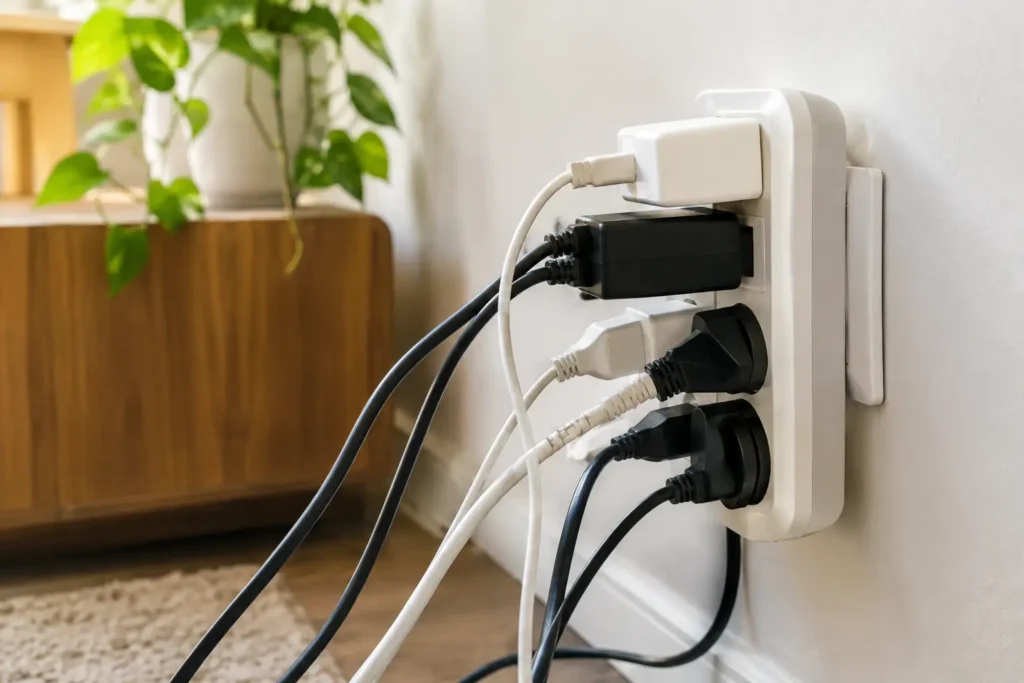
Extension cords and power strips have become permanent
Temporary power strips and extension cords have their place, but they are not a long-term answer to a property that lacks enough properly planned circuits. If they have become a permanent part of a room, office, garage, ADU, or workspace, your electrical layout may no longer match how the area is used.
This is especially common after a remodel or change in occupancy. Adding properly designed wiring and dedicated circuits is a safer, cleaner solution than relying on temporary connections for ongoing electrical demand.
Why EV charging and renovations can expose capacity limits
An at-home EV charger adds a predictable, significant electrical load. That is one reason professional EV charger installation starts with an assessment of the existing panel and available capacity. In some properties, the panel can support the charger with the right circuit design. In others, a panel upgrade or load management solution may be needed.
The same principle applies to ADUs, additions, recording studios, home theaters, commercial tenant improvements, and major lighting upgrades. New electrical features should be planned as part of the overall system, not added one demand at a time until the panel is stretched beyond its practical limits.
There is a trade-off to consider. A larger panel is not automatically necessary for every project, and an upgrade alone may not solve a poorly distributed load. A qualified electrician evaluates the panel rating, existing circuits, service capacity, anticipated use, and local code requirements before recommending the right path.
What to do when you suspect an overload
Start by paying attention to the pattern. Note what was running when a breaker tripped, whether lights changed brightness, and whether the issue affects one area or several. This information helps an electrician identify whether the problem is circuit-specific, panel-related, or connected to the overall service.
Then reduce demand on the affected circuit. Turn off or unplug nonessential equipment and avoid using several high-demand items on that circuit at once. Do not keep resetting a breaker that trips repeatedly, and do not use makeshift fixes to keep equipment running.
The next step is a professional evaluation. A licensed, bonded, and insured electrical contractor can inspect the panel, test circuits, identify load concerns, and recommend a solution that fits the property. That may include adding dedicated circuits, upgrading wiring, installing a subpanel, improving panel capacity, or planning a complete electrical panel upgrade.
Protecting your property with the right electrical plan
Electrical capacity is easy to overlook until it interrupts daily life. Yet it directly affects the safety, comfort, and function of a home or business. For property managers and real estate professionals, visible electrical warning signs can also affect maintenance planning, buyer confidence, and the condition of a transaction.
Click Electric provides safety-focused electrical evaluations, precision panel installations, wiring upgrades, ADU electrical work, commercial electrical services, and EV charger installation throughout the greater Los Angeles area. A clear assessment helps you make an informed decision rather than guessing at the source of the problem.
If your breakers are tripping, your panel is warm, or your property has outgrown its electrical system, treat the warning as an opportunity to make the space safer and more dependable. A prompt inspection can turn an uncertain electrical issue into a lasting plan for reliable power.