
A buyer may love the kitchen layout, natural light, and backyard, then lose confidence after an inspection reveals an aging electrical panel or questionable wiring. The best electrical upgrades before selling are not always the flashiest projects. They are the ones that make a home feel safe, well cared for, and ready for the next owner without spending heavily on work that will not meaningfully support the sale.
For Southern California sellers, the right electrical improvements can prevent last-minute negotiations, inspection delays, and buyer concerns. The goal is not to modernize every part of the electrical system. It is to identify visible risks, correct material safety issues, and make strategic upgrades that fit the home’s age, condition, and likely buyer.
Start With an Electrical Assessment, Not a Guess
Electrical work should begin with a professional assessment of the existing system. A licensed electrician can evaluate panel capacity, wiring condition, grounding, visible code concerns, service equipment, lighting, and signs of prior work that may need attention. This gives sellers and real estate agents a practical scope of work before the property goes live.
An assessment is especially valuable for homes built decades ago, remodeled in phases, or expanded with an ADU, garage conversion, pool equipment, or added air conditioning. These properties may have electrical systems that function day to day but raise questions during an inspection.
Sellers do not necessarily need to bring every older component up to the latest standard. Local requirements, permit history, the scope of past remodeling, and current safety conditions all matter. The priority should be correcting hazards and deficiencies that are likely to concern a qualified inspector or knowledgeable buyer.
The Best Electrical Upgrades Before Selling
Upgrade an undersized or aging electrical panel
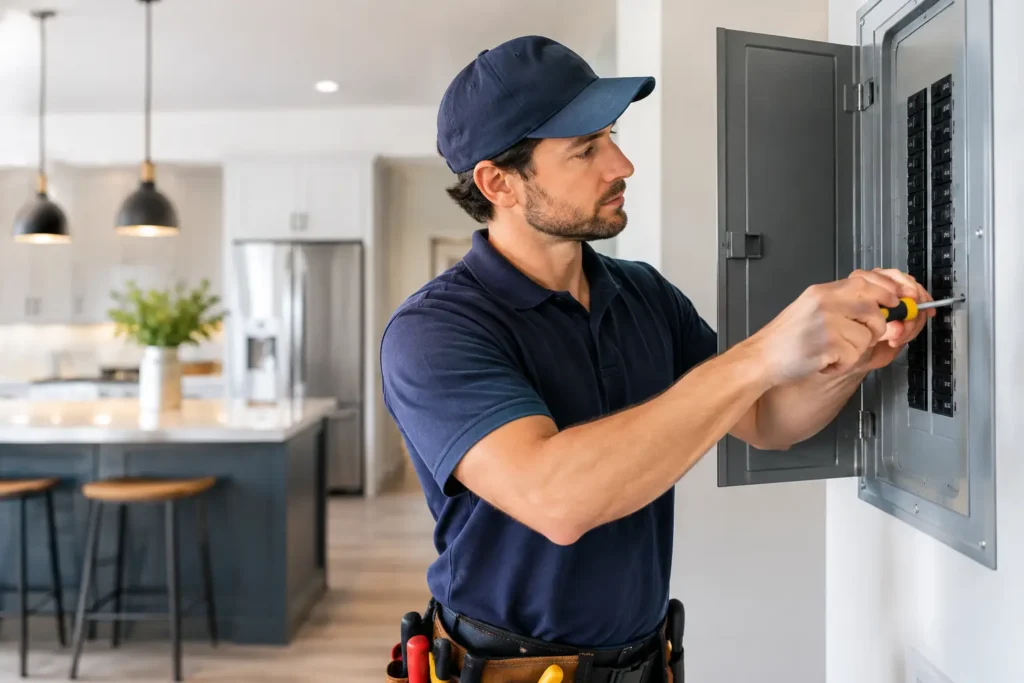
A panel upgrade is often one of the strongest investments when the existing panel is outdated, damaged, overloaded, or lacks enough capacity for the home’s electrical demands. Buyers increasingly expect homes to support central air conditioning, modern appliances, home office equipment, smart technology, and future electric vehicle charging.
A clean, properly labeled, professionally installed panel signals that the home has been maintained with safety in mind. It can also remove a major objection during escrow, particularly when the current panel shows corrosion, heat damage, overcrowding, or uses equipment with a poor reputation among inspectors and insurers.
That said, a panel upgrade is not automatically the right move for every listing. If the panel is in good condition, properly sized, and has available capacity, replacing it may not deliver enough value to justify the cost. A professional evaluation helps determine whether repair, labeling, maintenance, or a full replacement makes the most sense.
Address unsafe, damaged, or outdated wiring
Wiring concerns can quickly change the tone of a home inspection. Frayed conductors, exposed splices, improperly supported cable, missing grounding, overloaded circuits, or evidence of amateur modifications can create legitimate safety concerns and invite repair requests from buyers.
Older homes may also contain wiring methods that deserve careful evaluation before listing. The right solution depends on what is present, whether it is accessible, whether it has been altered over time, and how the home has been renovated. In some cases, targeted rewiring in a remodeled area or addition is appropriate. In others, a broader wiring upgrade may be the safer long-term decision.
Sellers should avoid cosmetic fixes that conceal an electrical issue. Experienced buyers, inspectors, and appraisers tend to notice incomplete work. A properly completed repair with permits when required provides far more reassurance than a quick patch intended only to get through a showing.
Improve lighting where it affects how the home shows
Lighting is both a functional and presentation-focused upgrade. Dark hallways, poorly lit entries, dim kitchens, and inadequate exterior lighting can make a well-maintained home feel older or less secure than it is.
Replacing dated fixtures with clean, appropriately sized lighting can improve the impression of key spaces without turning the listing into an expensive renovation. LED lighting can also reduce energy use and maintenance needs, which buyers often appreciate. Focus on areas that affect daily use and first impressions, such as entryways, kitchens, bathrooms, garages, walkways, and outdoor gathering spaces.
The best approach is restrained and coordinated. Highly personal fixture choices or overly elaborate lighting can limit buyer appeal. Neutral, well-installed upgrades tend to work better for resale because they help buyers picture their own lives in the home.
Add or update required safety protection
Safety-related electrical improvements are less glamorous than a new chandelier, but they carry real weight during a transaction. Smoke and carbon monoxide alarm placement, required circuit protection, proper grounding, weather-resistant exterior electrical equipment, and secure electrical covers can all affect inspection findings and buyer confidence.
Requirements can vary based on the home’s age, location, and whether work has been remodeled or permitted. A licensed electrician can identify which safety updates are warranted without recommending unnecessary replacements. This is where professional judgment matters most: the correct work should protect occupants and support code compliance, not simply add items to an invoice.
Consider EV charging readiness for the right buyer
Electric vehicle charging can be an attractive selling point in Los Angeles-area communities, especially for buyers who already own an EV or expect to purchase one soon. A professionally installed charger can add meaningful convenience, while an electrical panel evaluation and dedicated circuit planning may provide a more budget-conscious form of readiness.
This upgrade depends on the property and price range. A home with off-street parking, a garage, or a private driveway is a stronger candidate than a property where charging access is difficult. For multifamily properties, a thoughtful plan for future charging infrastructure may be more useful than installing a single charger without considering shared capacity and tenant needs.
If a charger is installed, it should be done correctly and with the necessary permits. Buyers want convenience, but they also want to know the system was designed to handle the load safely.
Know What Buyers Are Likely to Notice
The most valuable pre-sale work often addresses issues that appear in plain sight or are easy to identify during an inspection. A panel with unlabeled breakers, loose equipment, scorched marks, exposed wiring, flickering lights, or a history of tripped breakers can cause concern even if the home has otherwise been updated.
Sellers should also consider the story behind the work. Keep records for permitted upgrades, invoices, panel specifications, and warranty information where available. Clear documentation helps a buyer understand that improvements were completed professionally rather than casually added over time.
For agents, an electrical assessment before photography and listing can create a cleaner sales process. It provides time to address significant concerns on the seller’s schedule instead of responding under pressure after an inspection deadline. It also helps set realistic expectations when a property has an older electrical system that is functional but not fully modernized.
Avoid Overimproving for the Neighborhood
Electrical upgrades should support the sale, not consume the budget needed for higher-impact repairs or presentation work. A complete service upgrade, whole-home rewiring, or extensive custom lighting plan may be worthwhile for a high-value renovated property, but it may not be necessary for a modest home where the electrical system is safe and serviceable.
Think in terms of risk reduction and buyer confidence. Correct documented deficiencies first. Then invest in improvements that match how buyers will use the property, such as panel capacity for a remodeled home or EV readiness for a garage-equipped residence. If an upgrade will not be visible, solve a known concern, or improve practical functionality, ask whether it is truly needed before listing.
A careful electrical review can turn uncertainty into a clear plan. Before the first open house, Click Electric can help sellers, agents, and property managers identify practical improvements that protect the property, support a smoother transaction, and give the next owner confidence in the home’s electrical foundation.